You’ll love this story of courage and friendship. Buy now
before the price changes!
- Can you, for those who don’t know you already, tell something about yourself and how you became an author?
“Living at the Edge of the World – Winter, the first audiobook in my Shetland island series, was inspired by my own outdoor childhood and by a desire to encourage today’s children to look up from their screens and rediscover adventure outside.”
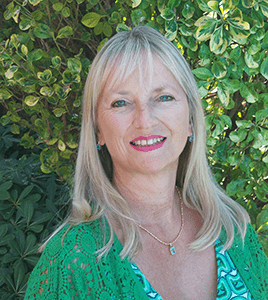
I’m a British children’s author and I grew up with mud on my boots, dogs at my heels, and a book never far from reach. Raised in leafy green, Hertfordshire (North East direction from London) my childhood was split between outdoor adventure – riding ponies, building camps in the woods, cycling with friends – and disappearing into stories. Shy and introverted, I was happiest reading, often forming friendships around books, including quiet “reading clubs” where we sat together in companionable silence for hours at a time! As a teenager, reviewing books for my local library felt like a natural next step. Although I briefly considered journalism as a career, the fast pace and relentless deadlines didn’t seem to leave much room for reflection or empathy. I then trained as an actor, which was invaluable for learning how to analyse characters and bring them to life, skills that continue to shape my writing. I loved exploring the depth of roles, but I soon realized that the constant focus on self-promotion and performance wasn’t the right fit for me. Life then led me to France, where I’ve spent many years in corporate communications for agriculture and sustainable development—storytelling with purpose, in a quieter kind of spotlight.
Becoming a writer began as a personal writing project while I was recovering from an operation. I knew I wanted to write for children, inspired by the contrast between my own outdoor upbringing and how much time children today spend indoors, absorbed by screens.
I immersed myself in research and went in search of the perfect agricultural setting, eventually discovering the island of Foula, home to just thirty people who live closely with the land, sea, and animals in Shetland, Scotland. It felt like the ideal place to begin. From there, the real learning started, and the stories grew. Today, my writing aims to offer young readers and listeners a sense of freedom, resilience, and curiosity, while gently encouraging a healthier balance between the digital world and the natural one.
- What is something unique/quirky about you?
Having two nationalities (Born in Pasadena, USA but to British parents) and living today in France, which adds a third culture, means I’ve never fully felt I belong in one place. That outsider perspective has become a strength in my writing, helping me create characters who are finding their footing in unfamiliar worlds and helping readers accept diversity and cultural differences.
- When did you first consider yourself a writer?
I first considered myself a writer the moment my work was recognized beyond my own desk, earning its first placing in a writing competition. That turning point came in 2024, when my book received a Silver Medal at BookFest in the Children’s – Diversity & Multi-cultural category. Soon after, it was awarded a Bronze Medal at the Global Book Awards 2024 for Children’s – Geography & Culture, and in 2025 it became a *Finalist in the Children’s Book Excellence Awards. Those moments shifted my writing from a “project”, to becoming part of my identity as a “writer”.
- Which of your novels can you imagine being made into a movie?
I can easily imagine Living at the Edge of the World – Winter and the second book, Spring coming alive on screen, ideally not just as films, but as a gentle, episodic series for middle-grade children aged 9–12. The world of Papala, and the adventures of Tabitha and Timothy, lend themselves naturally to visual storytelling: the changing seasons, the closeness to nature, the quiet bravery of everyday exploration.
What excites me most, though, isn’t the idea of children sitting and watching for long stretches. I would only want a film or series if it actively encouraged them to step away from the screen afterward. Each episode could feel like an invitation. Prompting children to go outside, build a small camp in the woods, invent their own adventures, or take their dog for a walk and really notice the world around them.
- What literary pilgrimages have you gone on?
In October 2023 my son and I traveled to Shetland to hunt for the aurora borealis. We explored the mainland and the islands of Yell and Unst, hoping to see the northern lights. We weren’t lucky enough to catch the “pretty dancers,” as they call them in Shetland, but every day brought something beautiful – sunsets, rainbows, and interesting cloud formations. Watching otters play along the coast in Yell or climbing into a Viking boat on Unst was a joy in itself, and a reminder of how travel can spark creativity.
Last year I travelled to Sri Lanka to an Ayurveda retreat. It was a simple, focused holiday: time to care for my health, relax, and edit my third book. Having space to work on my writing while being somewhere special was such a gift to myself.
Both trips reminded me of the joy of discovering new places and the value of taking time for yourself. Whether exploring remote islands or spending quiet days writing, travel and new places can provide a space to refresh, reflect, and find inspiration.
- Tell us about your main characters- what makes them tick?
One of the things I love most about writing this book series is exploring the dynamic between the twins, Tabitha and Timothy. They are so alike in some ways, yet completely different in others, and that contrast drives much of the story.
Tabitha is all about online validation and influencer dreams. She’s deeply connected to the world through screens and social media, and her character reflects the pull of that digital life. Timothy, on the other hand, “Wiki-Tim”, is grounded in curiosity and a love of nature. His fascination with facts and the natural world lets me bring in real-life information about the island and its wildlife without it feeling forced. This dynamic mirrors something I value personally: while I enjoy engaging with my online community, nothing restores the soul quite like a walk in nature.
The twins’ contrasting perspectives also highlight one of the broader themes of the book: adapting to new environments and finding joy in unexpected places. Timothy, with his naturalist mindset, adjusts easily to the remote island life. Tabitha, initially frustrated by the isolation, gradually discovers a niche that allows her to combine her love for social media with the adventure and discoveries the island offers. It’s a journey about embracing change, connecting with the world around you, and finding balance between digital and real-life experiences.
Through these characters, I wanted to show that even when two people, or twins, are very different, mutual respect, curiosity, and openness can lead to growth, adventure, and unexpected joy.
- Who designed your book covers?
The book covers and all the illustrations for Living at the Edge of the World – Winter were created by the incredibly talented young illustrator Jenny Nutbourne, who lives and works in Scotland. https://www.tiktok.com/@nutbourne_ Our connection came through Dundee University, where my son did his degree.
I’m a very visual person, and for me, images are an essential part of the creative process. When I start a project, I often look for pictures that capture the essence of my characters or the world they inhabit. Working with Jenny brought these images to life, enhancing the storytelling in ways that words alone sometimes have limitations. Her illustrations not only complement the text but also provide inspiration and a visual anchor for the story, making the world I’ve written about feel even more real. Working with Jenny is also a a reason why I went the self-publishing route as an author as I wanted full creative control.
- Did you learn anything during the writing of your recent book?
One of the biggest challenges in writing my recent book was making sure the children truly drove the story. I wanted the kids to take center stage, shaping the action, while the adults remained in the background, present enough to make the world feel realistic, but never so much that they overshadowed the young characters.
For the main antagonist, Tabitha, I started her as a spoiled, unhappy girl, frustrated at being stuck in Papala, a remote island in Shetland, far from trendy London. In the first book, her character arc showed her learning to adapt to this rugged new life. The second book pushes that growth even further, while also giving her brother, Timothy, a chance to shine. The third book, which hopefully will be published later this year, explores Tabitha’s character even more, teaching her not to rush to act but to speak up with thoughtful action.
Beyond the twins, there are two other key young characters: Fenella, a local girl who offers insight and guidance, and Omar, a newly arrived refugee who immediately connects with the island’s wildlife. Each brings a unique perspective, but the core challenge remains: how to let the children have their own adventures in a believable way.
I drew inspiration from authors like Enid Blyton and Katherine Rundell, who are experts at creating rich, child-led worlds where young characters are fully in charge.
- Anything specific you want to tell your readers?
Yes! I want readers to know that even though my books have an eco-fiction theme and encourage your children, grandchildren, or students to spend more “green time” rather than screen time, the stories are far from dull. They’re modern, full of fun, and packed with adventure.
A recent reviewer described how she and her son “learned by stealth” while reading about the twins, Tabitha and Timothy. They were so caught up in what would happen next in the story, they absorbed all kinds of fascinating facts about Shetland’s wildlife and flora without even noticing!
I also hope readers gain a better understanding of how farming can work in harmony with nature. Agro-ecology is all about balance, which is especially important in crofting in Scotland, where every bit of land matters. The books show that adventure, learning, and environmental awareness can go hand in hand.
- How did you come up with the name of this book?
The inspiration came from reading about the Shetland island of Foula, which I found utterly fascinating. It’s one of the most remote islands in the archipelago, home to just 30 people, and is also famously known as the “Bird Island.” The island’s wild, rugged beauty and sense of isolation perfectly captured the atmosphere I wanted for the book, and it is known as the “End of the World”. This name seemed to fit naturally with the story, even if I based the series on an imaginary island called Papala.
- If you could spend time with a character from your book, who would it be? And what would you do during that day?
I’d love to spend a day with Great Uncle Tamhas, who looks after the twins for three months while their parents are away on a world cruise. I can imagine a day on his croft, helping him with the kale planting, fishing for trout in the stream, and even cutting peat to keep the fires burning.
After a day of hard work, I’d sit down to one of his farmhouse meals, starting with a bowl of soup and fresh homemade bread, followed by his famous mutton stew. There’s something so comforting about the rhythm of croft life, and I can’t think of a better way to spend a day immersed in the island’s traditions, landscape, and food.
- Convince us why you feel your book is a must read.
I wrote this book because I wanted to inspire kids to step away from screens and rediscover the joy of the world around them. In a time when phones and tablets seem to rule, my story invites young readers to see that adventure isn’t just something on a screen. Adventure is out there waiting for children in the woods, along a bike path, or even in their own backyard. Through fun, imaginative stories, my book gives kids agency, the exciting knowledge that they can create their own adventures, whether it’s just riding their bike, or exploring with their dog. It’s not just a story; it’s an invitation to play, explore, and connect with nature in a way that will stay with them long after the last page is turned.
A review from Australia said recently: “Books like this are still very important. It should be on every family’s book shelves. Not only will these stories encourage kids to become readers, Living at the Edge of the World – Winter & Spring help kids learn and realise that living without their phones is also an adventure.”
- Have you written any other books that are not published?
Yes! I’m currently working on the third book in this series: Living at the Edge of the World – Summer, which is shaping up to be an exciting mix of myth and environmental awareness. It follows the same team of characters, alongside selkies – mythical seals that shed their skins to become human on land. Through their story, I explore marine pollution and the importance of protecting our oceans as well as our livelihoods. The selkies act as a symbol of care and responsibility, showing young readers how thoughtful, deliberate actions, rather than rash decisions, can make a real difference. It’s a story full of wonder, adventure, and inspiration, encouraging kids to engage with the world around them and how small voices can make big waves when you speak up for what matters.
- If your book had a candle, what scent would it be?
I love this question! It reminds me of the book – The Storm Keeper’s island by Catherine Doyle, where a different candle was needed for each episode of time travel. If my books were a candle, the scent would shift with the seasons: Winter would be peat fires, the comforting aroma of home-cooked soup, bread and bannocks. Spring would carry sea salt spray and the fresh scent of rain on green grass full of spring flowers. Summer would smell of warm earth, sun-dried fields, berries and rhubarb and the intoxicating smell of outdoor adventures. Autumn? The tang of wind off the waves, hints of the first peat fires and root vegetables roasting in the oven… and a book that is not written yet!
Audiobook Questions:
- What made you decide to get the book made into an audiobook?
I realised that so many people are busy and don’t always have time to sit down and read, and having studied acting myself, I know how much a good narrator can bring a story to life – just as an illustrator does for a printed book. So creating an audiobook felt like a natural and complementary way to share my stories. Also a great way for a family to share the story during a road trip!
https://canopyaudiobooks.com/
- Who did the narration on the audiobook and what made you choose them?
When it came to choosing the narrator, I was lucky to find Gill Mills at Canopybooks. Gill is the owner of the company and auditioned for the narration alongside other actresses who could narrate with a light Scottish accent. From the start, it was clear she was the perfect fit. She threw herself into the work, shutting herself away for days at a time to ensure the voices of each character stayed consistent. Every character has their own unique intonation and accent, and she brings them all vividly to life.
Because I’m a trained actor, the idea of narrating the audiobook did cross my mind, but I quickly realised I wouldn’t even come close to her ankles, let alone fill her shoes! I feel incredibly fortunate to have found Gill and Canopybooks. I honestly cannot recommend them highly enough to authors considering an audiobook. Gill will bring your stories to life in a way that is truly magical at a very reasonable price.
- How many audiobooks do you currently have and are there any more on the horizon?
I have two audiobooks published: Living at the Edge of the World – Winter & Spring and when the third book is published, I will of course ask Gill if she wants to narrate the third! I just hope she will say, “Yes! I would like another trip to the island of Papala!”
- Do you have a favorite scene from the audiobook? What makes it special?
The final chapter is definitely my favorite. It’s where the themes of courage, friendship, and embracing the unfamiliar come together in a thrilling way. The three children face a pivotal moment that tests their bravery. Tabitha, the protagonist, takes a bold risk that puts herself and her brother and friend Fenella in real danger.
I don’t want to give too much away, but I will say this: there are Vikings involved… and a burning viking boat! It’s a scene full of tension, teamwork, and adventure, and it perfectly captures the heart of the story. It also reflects my own belief that true friendship and courage often shine brightest when we step into the unknown and we accept cultural differences.